About Us
The Science & Technology Advancement Center, or STAC, partners with states, districts, universities, agencies, nonprofits, and education organizations to improve curriculum, assessment, professional learning, AI integration, and accessible learning design.
Our work is grounded in the belief that high-quality education should help students make sense of the world, use evidence, ask better questions, and communicate their reasoning.
Who We Are
The Science & Technology Advancement Center, or STAC, partners with states, districts, universities, agencies, nonprofits, and education organizations to design practical solutions for today’s most important learning challenges.
We support work in curriculum, assessment, professional learning, AI integration, and accessible learning design. Across each area, our focus is the same: helping partners create learning systems that strengthen student thinking, support rigorous instruction, and expand access for all learners.
The Need We Address
Our work begins with a clear goal: helping education systems create learning experiences that make student thinking visible, support rigorous instruction, and expand access.
Education systems are being asked to respond to rapid changes in AI, increased expectations for accessibility, evolving assessment needs, and growing demands for instructional coherence.
These shifts require more than new tools or isolated resources. They require thoughtful design, practical implementation support, and a clear focus on how students learn.
STAC helps partners create curriculum, assessment, professional learning, AI integration, and accessible learning solutions that strengthen student thinking, support educators, and improve learning for all students.
Our Guiding Principles
STAC’s work is guided by a commitment to rigorous learning, meaningful access, and thoughtful use of emerging technologies.
Productive Struggle Strengthens Learning
High-quality learning gives students opportunities to wrestle with ideas, examine evidence, revise their thinking, and build understanding over time. STAC helps partners design learning experiences that support students through this process without removing the reasoning work that makes learning meaningful.
Accessibility Is Part of Quality
Accessible design should be built into curriculum, assessment, instruction, and professional learning from the beginning so that all students can engage meaningfully with rigorous content.
AI Should Be Used With Intention
AI should support reasoning, strengthen instruction, and help educators create learning experiences that prepare students for a changing world.
Professional Learning Drives Implementation
Educators need more than resources or tools. They need professional learning that helps them understand the purpose behind instructional shifts, build shared classroom routines, and apply new approaches in ways that support student thinking. STAC designs tool-agnostic professional learning that helps educators respond to AI, accessibility, assessment, and curriculum needs with clarity and practical strategies.
What We Do
STAC supports education partners in designing practical, scalable solutions across curriculum, assessment, professional learning, AI integration, and accessible learning design.
Assessment Support
Our comprehensive support spans the entire assessment lifecycle from initial development to data analysis and continuous improvement.
Professional Learning
We support teachers in aligning technology use with the NGSS, fostering inclusive learning environments, and building students’ data literacy and critical thinking.
Curriculum Development and Review
Let us help you design science learning experiences that inspire students and equip them with the skills they need to thrive.
AI Integration & Classroom Innovation
Partner with us to harness AI as a catalyst for transformative teaching, learning, and equitable student success.
How We Work With Partners
STAC works collaboratively with partners to understand their goals, context, audience, and implementation needs.
We help teams clarify priorities, review existing materials or systems, and design practical solutions for curriculum, assessment, professional learning, AI integration, and accessible learning design.
Our work may include planning support, material review, professional learning design, assessment development, accessibility guidance, implementation tools, and ongoing thought partnership.
Across every project, our goal is to help partners move from ideas to practical solutions that support rigorous learning, meaningful access, and effective implementation.
STAC Leadership
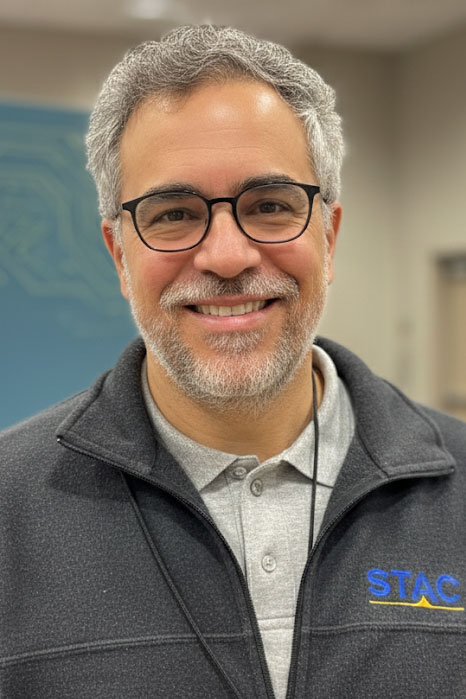
Chris Lazzaro
Executive Director
Chris is the Executive Director and co-founder of the Science and Technology Advancement Center (STAC), dedicated to transforming STEM education through technology integration.
With nearly 20 years in science education, he previously led science initiatives at New Meridian and the College Board, including AP course redesign and NGSS implementation. Chris has contributed to international assessments like TIMSS and has taught physics at both high school and college levels.
He holds degrees in Earth and Planetary Sciences, Physics, and a Ph.D. in Cognitive Science. Chris lives in Santa Barbara County with his wife, daughter, and dog.
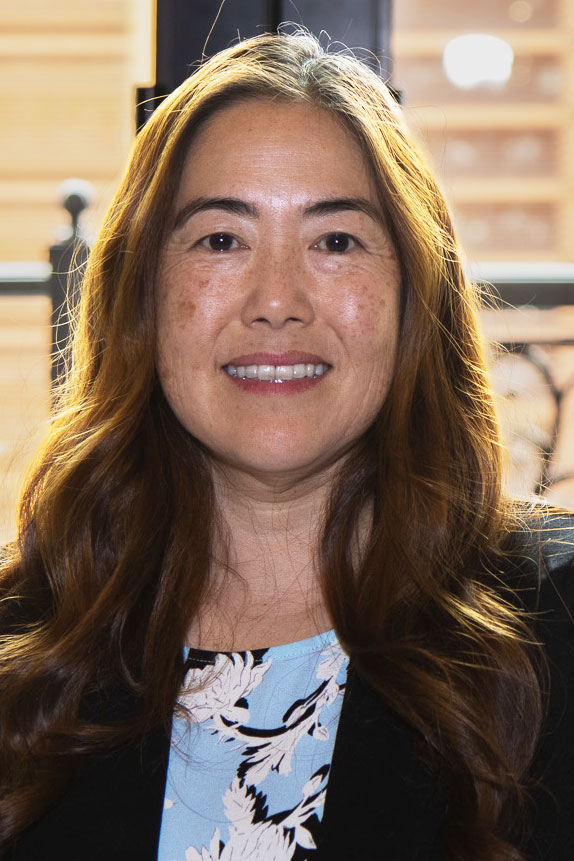
Velma Itamura
Operations Director
Velma Itamura is a science education leader with 29+ years of experience in teaching, assessment, and curriculum development.
She served as Science Strategy Manager at New Meridian and led statewide STEM efforts in Utah. Velma is the Operations Director of STAC, advancing equity and innovation through NGSS-aligned programs and AI integration.
She holds degrees in biology and chemistry, and an MBA. A frequent national presenter, she also runs Lil Ninja Explores, where she shares nature-based science education with her followers. Velma splits her time between Lake Oswego, Oregon, and West Jordan, Utah.
Ready to Strengthen Learning Across Your System?
STAC partners with education organizations to design solutions that are rigorous, accessible, practical, and ready for implementation.
Let’s talk about how we can support your curriculum, assessment, professional learning, AI integration, or accessible learning design needs.